
In the Field: Innovation Briefs
1. AI-Powered Swing Analysis Systems Enter Mainstream Training
In recent seasons, teams across Major League Baseball and elite training facilities have begun integrating AI-powered swing analysis systems into daily practice. Companies like Diamond Kinetics and Blast Motion are leading the deployment of computer vision + machine learning platforms capable of analyzing a hitter’s swing in real time.
What makes this innovation significant is not just data collection, but instant adaptive feedback. The systems identify micro-adjustments in bat path, attack angle, and timing efficiency, allowing players to correct mechanics within the same session. This marks a shift from post-analysis coaching → real-time intelligent coaching, fundamentally accelerating skill development.
Keywords: AI analytics, real-time feedback, computer vision, swing optimization
References
Diamond Kinetics. (2024). Swing analysis technology overview.
Blast Motion. (2024). Baseball swing sensor and analytics platform.
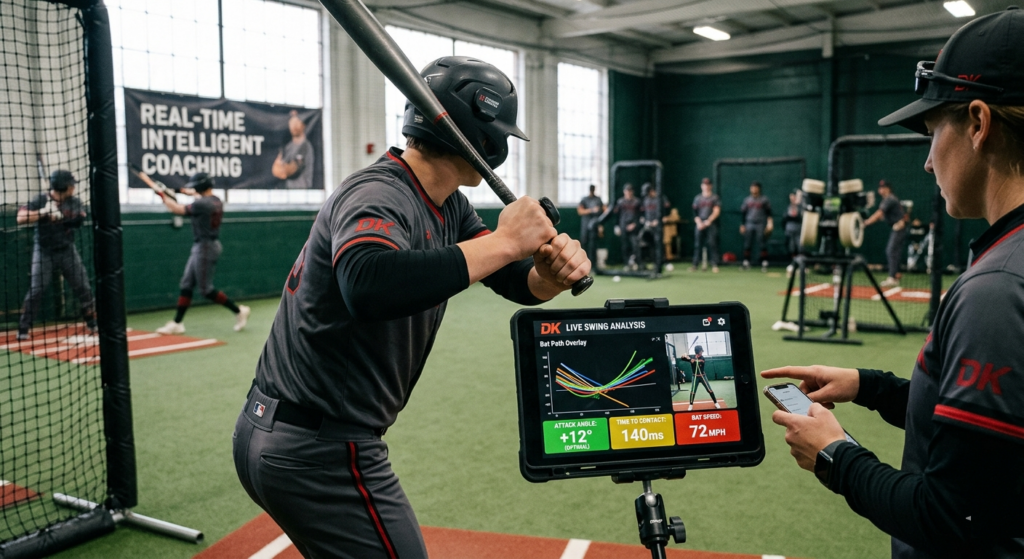
Figure 1 AI-Powered Swing Optimization and
Real-Time Biometric Feedback
2. Wearable Biomechanics Sensors Adopted for Injury Prevention
Wearable technology has moved beyond fitness tracking into high-performance biomechanics monitoring. Organizations within MLB are increasingly adopting systems developed by companies such as KinaTrax and Motus Global.
The innovation lies in continuous motion capture during real play, not just lab environments. These sensors track joint torque, arm stress, and kinetic chain efficiency, giving teams the ability to detect injury risk before it becomes visible. This represents a shift toward predictive health analytics, where performance and medical data are integrated.
Keywords: biomechanics tracking, injury prevention, wearable sensors, predictive analytics
References
KinaTrax. (2023). Markerless motion capture in baseball.
Motus Global. (2023). Throwing workload and arm health monitoring.
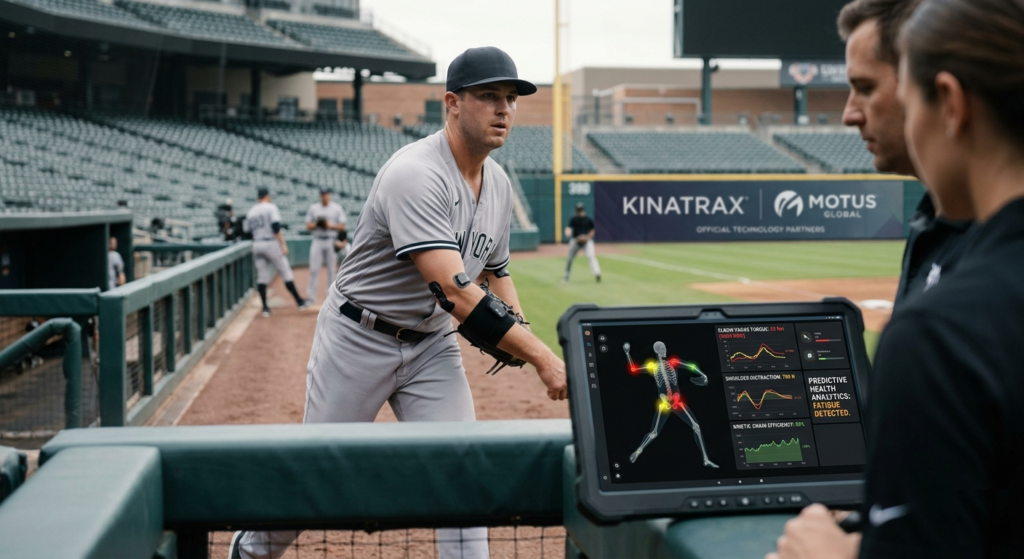
Figure 2 Predictive Health Analytics via Wearable Sensors
3. Smart Baseballs Transform Pitch Development
Training environments are being reshaped by the introduction of smart baseballs with embedded sensors, developed by companies such as Driveline Baseball in partnership with sensor technology firms.
Unlike traditional radar tools, these baseballs provide direct measurement at the source of release, capturing spin rate, spin axis, and seam orientation. The key innovation is the ability to connect grip mechanics → ball behavior instantly, enabling pitchers to experiment and optimize in real time.
This technology is driving a new era of data-driven pitch design, where pitchers can engineer pitches scientifically rather than relying solely on feel.
Keywords: smart baseball, pitch design, spin analytics, embedded sensors
References
Driveline Baseball. (2024). Pitch design and smart ball technology.
Nathan, A. M. (2022). Physics of baseball spin and motion.
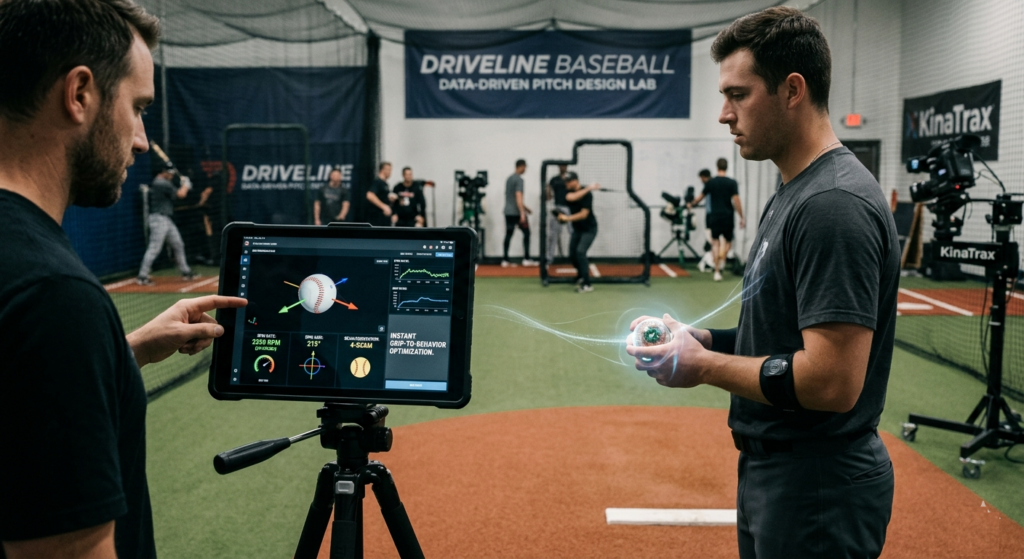
Figure 3 Scientific Pitch Design with a Smart Baseball
4. Automated Strike Zone Systems Expand in Professional Play
The Automated Ball-Strike System (ABS) is gaining traction across professional baseball, with testing and partial implementation in leagues affiliated with Minor League Baseball and oversight from Major League Baseball.
Powered by systems such as Hawk-Eye, ABS introduces AI-assisted officiating, where pitch location is tracked with high precision and strike calls are generated automatically or via challenge systems.
The innovation is not just accuracy—it’s the standardization of judgment. ABS reduces variability between umpires and introduces a hybrid future where human authority + machine precision coexist. This is one of the most debated technological shifts in baseball today.
Major League Baseball has officially implemented the Automated Ball-Strike (ABS) Challenge System for the 2026 season. This hybrid model uses Hawk-Eye tracking to allow limited player challenges, standardizing crucial calls while retaining human umpires.
Keywords: automated officiating, strike zone AI, Hawk-Eye tracking, fairness in sports
References
Major League Baseball. (2026). Official Implementation of the ABS Challenge System.
Major League Baseball. (2024). ABS testing and implementation reports.
Hawk-Eye Innovations. (2023). Ball tracking technology in sports.
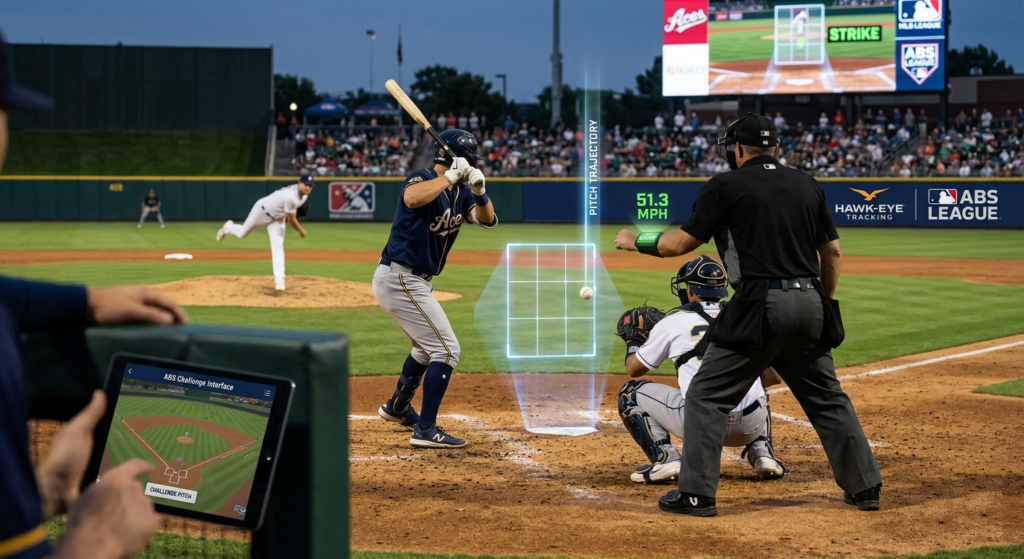
Figure 4 AI-Assisted Officiating via Automated Strike Zone
5. AI-Driven Scouting Redefines Talent Evaluation
Scouting is undergoing a major transformation as teams adopt AI-driven player evaluation systems. Organizations are leveraging platforms developed by companies like Zelus Analytics and internal analytics departments within MLB.
These systems analyze massive datasets, including in-game performance, biomechanics, and situational decision-making. The innovation lies in predictive modeling, where AI not only evaluates current performance but projects future potential.
This marks a shift from subjective scouting reports → hybrid intelligence scouting, combining human expertise with algorithmic insight. It is increasingly influencing drafting, trades, and player development strategies.
Keywords: AI scouting, predictive modeling, data-driven decisions, talent analytics
References
Zelus Analytics. (2023). AI in sports decision-making.
Lewis, M. (2003). Moneyball: The art of winning an unfair game.
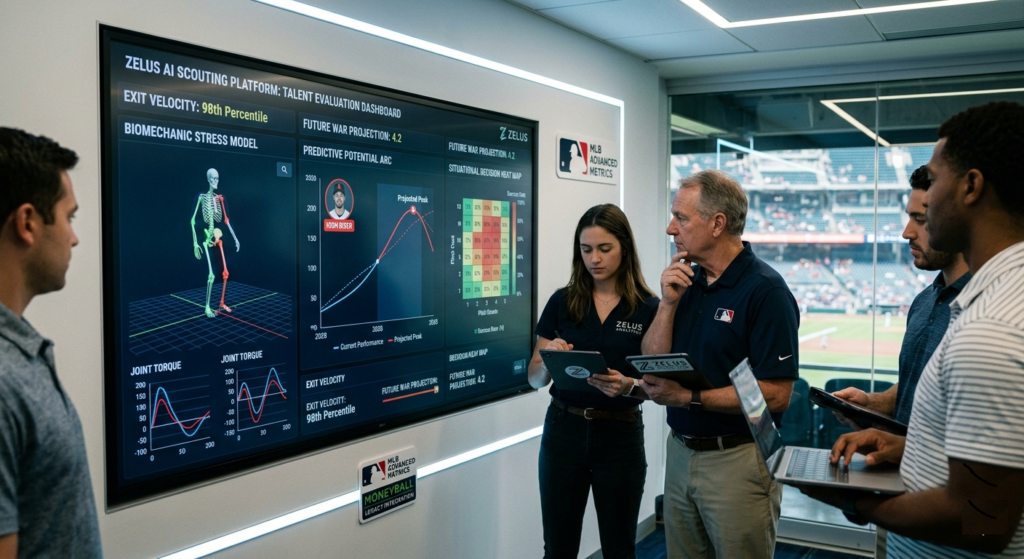
Figure 5 AI-Driven Talent Scouting and Predictive Potential